Posted:
22 June 2026
Engage Teacher Conference 2026 round-up
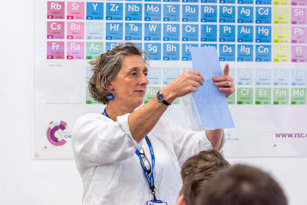
Our annual Engage Teacher Conference took place this June, and lots of educators - both members of the Engage Teacher Network and non-members alike - joined us at twelve sessions across the two weeks.
It’s central to the British Science Association’s (BSA) mission to support teachers working in challenging circumstances to give their pupils and students opportunities to meaningfully engage with STEM. The conference is a key part of this work.
It provided practical tips, resource showcase and inspiring best practice to help educators bring real-world science to the classroom for all children and young people.
The Engage Teacher Network is an almost 3000-strong community of educators working with children and young people from groups most likely to be underrepresented in STEM; from lower socio-economic backgrounds, from ethnic minority backgrounds, attending schools in rural areas and with special educational needs.
If you missed the conference don’t worry, all 12 sessions were recorded and are available to watch:
Keynote speaker - Lee Parkinson MBE, AKA Mr P
Attendees at the keynote session Making the most of the internet, with award-winning education influencer Lee Parkinson MBE, were treated to a whistle-stop tour of terrific websites and apps recommended by ‘Mr. P,’ including demos of his favourites and tips on how he uses them in his classroom. For Maths, Polypod and Mathsbot got a shout-out, as did Flippity, Blooket, Neal.Fun, and ICT games for games, flashcards, quizzes and more to support your teaching. Lee also encouraged teachers to develop students’ understanding about how AI is trained using tools Teachable Machine and Quick, Draw!. .
Showcasing free STEM resources
The free resource showcases are some of the most popular sessions at the conferences - opportunities for educators to hear directly from organisations about the accessible materials they provide on all sorts of topics.
This year for the first time we hosted a showcase for early years resources: ‘Small hands big ideas: discover free STEM resources for ages 3-7’ which kicked off the conference on 8 June.
We had brilliant speakers from across the STEM sector and the CREST team at the British Science Association.
First up was Explorify who shared information one of the most popular types of activities for early years learners– zooming out on a photo of a natural object, having fun guessing what it could be as they go.
NUSTEM talked about how STEM can be introduced to little learners through story books – which also boosts literacy skills – the Science Museum Group showcased their curiosity game.
Attendees also heard from the Primary Science Teaching Trust, and the British Science Association discussed the CREST activities designed specially for age 3 and up.
The Science Museum Group joined us again for the primary resource showcase ‘Breaking barriers, not budgets: high-impact, no-cost primary STEM resources’,. They shared details of hands-on activities and free CPD available for teachers.
Speakers from Imperial College London and Climate Ambassadors offered resources to guide children to use their interests to make a difference and pursue their passions.
The British Geological Survey, speaking at the Conference for the first time, showcased the rock and fossil kits schools can borrow, among other things, while speakers from Oak National Academy, The Great Science Share for Schools and The Rosalind Franklin Institute also shared their various free resources.
The conference was bookended by resource showcases, with the secondary session ‘Breaking barriers, not budgets: high-impact, no-cost secondary STEM resources’ taking place on 18 June, the final day.
This session featured speakers from a diverse range of organisations, from the UK Electronic Skills Foundation to The Birmingham Institute of Forest Research.
EUK Education highlighted resources with guidance on how to enhance climate education, along with The National Centre for Earth Observation who discussed satellite data.
The Leverhulme Research Centre for Forensic Science highlighted the fascinating crossover of STEM and crime investigation. Attendees also heard from speakers from I’m a scientist get me out of here, and the Association of British Science Writers, as well as a member of our CREST team.
CREST Awards
We also hosted two focused sessions to explore how educators in both special and mainstream schools can get the most out of CREST.
First was ‘Unlocking STEM for all: accessible resources to support inclusion’, with Sarah Sephton, an experienced teacher currently on a work placement with the BSA Eduction team on 10 June.
Sarah talked through how both primary and secondary CREST resources can be used to support inclusion, and highlighted the resource specifically designed for SEND learners.
Attendees were also treated to a sneak peek preview of some upcoming accessible SuperStar resources.
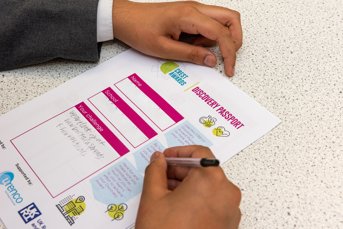
The following week, on 16 June, Catherine Davies was joined by Simon Watt, the Public Engagement Manager at University College London (UCL), for ‘The Discovery effect: empower collaboration, communication and reflection’, deep dive into CREST Discovery which included . an exclusive preview of a new Discovery project exploring air safety and how we can protect ourselves against airborne viruses.
Inclusive teaching practice
Our teacher panel session this year, a chance for attendees to hear directly from members of the Engage Teacher Network, was ‘Beyond one size fits all: a teacher panel on accessibility’. This was the first of two sessions specifically exploring inclusive practice.
Those at ‘One size fits all’ heard from science teachers working in both special and mainstream schools who work with learners with SEND.
They advocated for teachers to maintain high expectations for all students and shared a wealth of tips, strategies, and adaptations to support learners with SEND to access practical science activities and lessons.
Next on this topic was ‘Making primary science more inclusive’ with Dr Rebecca Ellis, a Primary Science Mentor at the Primary Science Teaching Trust.
Rebecca led a comprehensive session on inclusive teaching looking the science capital teaching approach, assistive technology and how teachers can adapt science lessons to accessible to all learners, with lots of specific tips and examples.
Funding opportunities
Bookings were particularly high for ‘Don’t let budgets limit you: free trips, free kits and free cash’, a brilliant opportunity for educators to find out about funding and other offers available for schools.
Speakers from the British Science Association, The Royal Society of Chemistry, EngineeringUK, The Royal Society, The Royal Academy of Engineering, WWT the wetland charity, and The European Lung Foundation shared details of grants, bursaries, empowerment funds, free school trips and resources for all schools and learners.
First time sessions
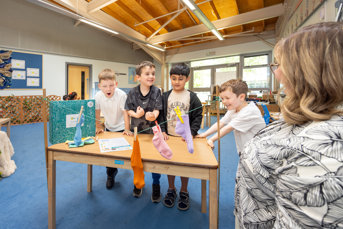
We had some sessions this year covering topics featured for the first time at an Engage Teacher Conference.
We welcomed the Association for Science Education (ASE) for ‘Top tips for teachers on getting published in ASE's SSR Journal’ (the ASE’s School Science Review) to encourage and equip teachers to pursue publication to share their experience.
On 12 June conference attendees had the chance to hear directly from government officials at ‘STEM enrichment: the DfE enrichment framework’, about the new guidance from the Department for Education.
Matthew Hopkinson talked through the themes of the framework and highlighted good practice at Newport Primary School. Recently, the DfE have recommended CREST as a resource to support schools and colleges with enrichment.
The ‘Bridges to belonging: supporting the leap from school to STEM careers’ brought together speakers from across the STEM sector with programmes aimed at supporting underrepresented young people in their transition from school and pursuing STEM after leaving school.
There were speakers from CREST, In2STEM, The Sutton Trust, Destination STEM, and Queen Mary University of London Centre of the Cell who talked through support offers including work experience placements, volunteering, summer schools, online resources, extracurricular STEM clubs, and more.
Other opportunities for STEM in schools
If you teach in a school in challenging circumstances, join our community to hear about events, opportunities, and resources for schools like yours. You can join the network for free.
|
Talk |
Recording |
Speakers |
|
Small hands, big ideas: discover free STEM resources for ages 3-7 |
Sarah Dagnell, Explorify Marissa Rauth & Peter Jeffrey-Bourne, the Science Museum Group Carol Davenport, NUSTEM Chris Lawson, Primary Science Teaching Trust Catherine Davies, British Science Association
|
|
|
Top tips for teachers on getting published in ASE's SSR Journal |
Helen Harden, Association for Science Education Fiona Williams, Association for Science Education |
|
|
Caroline Maston, Armley Grange School Catherine Davies, British Science Association Katie Weston, The Mosslands School Sarah Sephton, MA student at King's College London Roopa Shukla, Herrick Primary School |
||
|
Sarah Sephton, MA student at King's College London Catherine Davies, British Science Association |
||
|
Elizabeth Chambers, The Royal Society Susan Matambanadzo, British Science Association EngineeringUK Katherine Wylie, European Lung Foundation Kate Whetter, Royal Society of Chemistry Dominique Sleet, Royal Academy of Engineering Mark Stead, WWT, the wetland charity |
||
|
Matthew Hopkinson, Department for Education Deborah O'Connell, Newport Primary School Jenny Palmer Coultish, Newport Primary School |
||
|
Rebecca Olajide and Peter Jeffrey-Bourne, Science Museum Group Andrew Charlton-Perez OBE, Climate Ambassadors Anika Abedin, The British Science Association Elizabeth Pugh, Oak National Academy Kulvinder Kaur Johal, Primary Science Teaching Trust Nicola Fletcher, SEERIH The University of Manchester Dr Martin Archer, Imperial College London Dr Patricia Smith, The Rosalind Franklin Institute Rose Want, British Geological Survey |
||
|
Catherine Davie, British Science Association Simon Watt, University College London |
||
| Dr Rebecca Ellis, Primary Science Teaching Trust | ||
|
Ben Dinsdale, In2Science Caitlin Brown, The Sutton Trust Anna Lambert, Queen Mary University of London Maria Rossini, British Science Association Megan Kennedy, STEM Learning |
||
|
Making the most of the internet with Mr P MBE |
YouTube video | Lee Parkinson MBE |
|
Catherine Fitzsimons, National Centre for Earth Observation Dan Powell, Engineering UK Hannah Higson, I'm a scientist Maisie Keogh, Association of British Science Writers Ruth Mackay, British Science Association Dr Samantha Dobbie, University of Birmingham Dr Heather Doran, Leverhulme Research Centre for Forensic Science, University of Dundee Robert Kennedy, UK Electronics Skills Foundation Sarah Roberts, Raspberry Pi |